


 Aadi-Vikas By TRTI
About Us
PVTGs in
Maharashtra
Maharashtra is home to three major Particularly Vulnerable Tribal Groups, each with unique lifestyles, challenges, and a rich cultural heritage that must be preserved alongside their development.
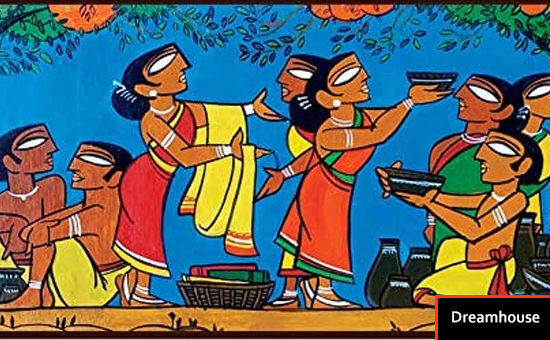 Gadchiroli
Madia Gond
Primarily residing in the forested regions of Gadchiroli, the Madia Gond community lives in close harmony with nature. Their livelihoods are deeply connected to forest resources, preserving strong traditional practices and cultural values.
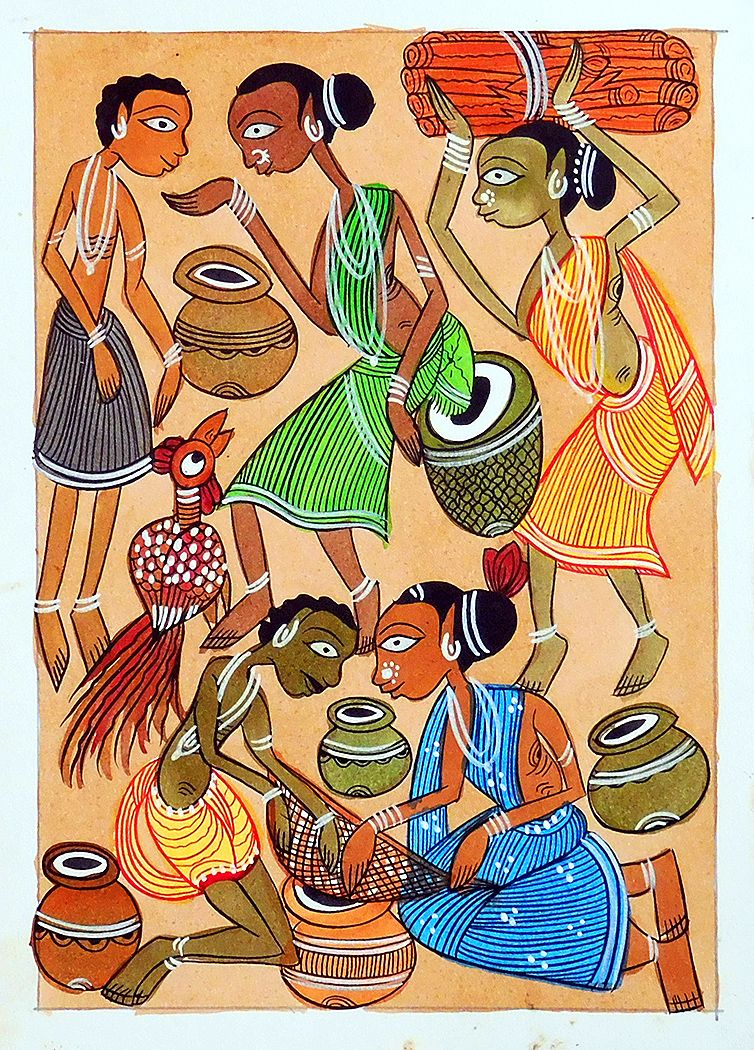 Yavatmal · Nanded
Kolam
Found in districts like Yavatmal and Nanded, the Kolam community depends largely on small-scale agriculture. However, irregular income and limited market access often create financial instability for this community.
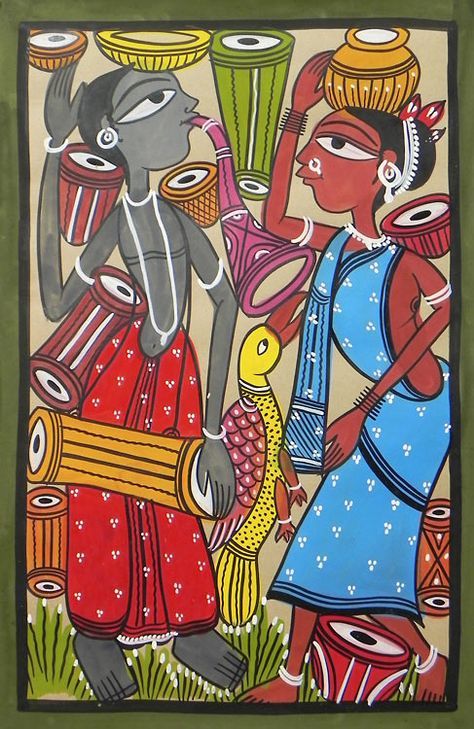 Thane · Raigad
Katkari
Located in Thane, Raigad, and nearby regions, the Katkari community frequently migrates in search of work. They face significant challenges including poverty and malnutrition, making them one of the most vulnerable groups in the state.
Towards PVTGs
The approach focuses on long-term empowerment over short-term assistance — click any card below for detailed information on each focus area.
Food Security
Strengthening food access and addressing malnutrition in vulnerable tribal households.
LEARN MORESafe Housing
Ensuring stable, safe, and dignified housing for every PVTG family.
LEARN MOREHealthcare
Expanding access to quality healthcare services in remote tribal regions.
LEARN MOREEducation
Improving education opportunities and reducing dropout rates among tribal children.
LEARN MORELivelihoods
Creating sustainable livelihood options that respect traditional knowledge and practices.
LEARN MORESelf-Reliance
Building community capacity for long-term self-sufficiency and cultural preservation.
LEARN MOREMicro Centers
Grassroots support hubs ensuring that schemes and services reach communities effectively.
Shahapur Center
Serving the Western tribal belt with skill development, livelihood support, and community engagement for forest-dependent communities.
Yavatmal Center
Supporting the Kolam PVTG community with focused agriculture assistance, market linkages, and welfare scheme delivery.
Gadchiroli Center
Reaching the Madia Gond communities deep in Gondwana forests — forest rights, healthcare coordination, and data monitoring.
What We Do
Our People
Coordinator
Oversees planning and execution
Trainers
Build skills and knowledge
Mobilizers
Engage directly with communities
Agri Expert
Farming & market access
Business Expert
Enterprise development
Legal Expert
Rights protection
IT Expert
Data & progress tracking
Community
Heart of everything
Development Indicators
Evaluated using clear and practical indicators ensuring transparency and informed decision-making.
Income Levels
Improvement in household income and economic stability across communities.
Health Outcomes
Better maternal health, reduced malnutrition, and expanded healthcare access.
Education
Increased enrollment, reduced dropouts, and improved learning outcomes.
Community Voice
Stronger community involvement in governance and development planning.
Aadi-Doot
A trained tribal youth who works as a grassroots-level facilitator of development within Particularly Vulnerable Tribal Groups. Unlike external officials, an Aadi-Doot belongs to the same community — acting as a trusted bridge between governance and tribal society.


The idea behind appointing Aadi-Doots is to solve a very practical problem: even when schemes exist, they often fail to reach remote tribal populations due to lack of awareness, documentation barriers, and geographical isolation.
By training local youth and placing them directly in villages, the initiative ensures that support is available continuously and locally, rather than occasionally and externally.
This creates a sustainable model where development is not dependent on outside intervention but is driven from within the community.
-
📘
Minimum Education: 10th Standard Ensures ability to handle documentation, reporting, and communication tasks effectively.
-
🏡
Tribal Community Membership Must belong to Madia, Kolam, or Katkari — ensuring social roots and cultural understanding.
-
📅
Age: 18 to 35 Years Ensures candidates are both socially rooted and physically capable of demanding fieldwork.
-
💼
1+ Year Field Experience Prior experience in tribal or development-related work — genuinely familiar with grassroots challenges.
-
🌍
Communities: Madia · Kolam · Katkari Selected from the three PVTG communities served across Maharashtra.
What an Aadi-Doot Does
The work of an Aadi-Doot is highly field-oriented involving continuous interaction with multiple villages and communities.
Field Engagement
Regularly visits assigned cluster of villages. Acts as the first point of contact for villagers on all issues related to schemes and services.
Documentation Support
Assists villagers with caste certificates and identity documents — collecting papers, coordinating with authorities, and ensuring zero delays.
Awareness & Schemes
Conducts village meetings in local language, explains schemes, identifies eligible beneficiaries, and documents implementation challenges.
Employment Access
Connects communities to MGNREGA, assists with job card registration, and helps explore sustainable livelihood options.
Data Collection
Collects village-level data on health, education, and livelihoods. Digitizes and submits reports for evidence-based governance.
Accountability
Regular review and monitoring ensures active, responsible, and impact-oriented performance rather than symbolic engagement.
Community Bridge
Trusted insider who bridges government systems and tribal society, ensuring development is accessible and culturally relevant.
Livelihood Guidance
Observes local livelihood patterns and conducts guidance sessions on sustainable income — farming, forest produce, and small enterprises.
What Changes Because of Aadi-Doots
Over time, Aadi-Doots contribute to transformative, community-driven change across multiple dimensions.
Scheme Access
Increased access to government schemes — more families receive the benefits they are entitled to, bridging the implementation gap.
Identity Recognition
Improved documentation and official identity recognition — ensuring families can access welfare programs without barriers.
Community Awareness
Better awareness among communities about rights, entitlements, and opportunities available to them through various programs.
Enhanced Livelihoods
Greater livelihood opportunities that respect and build upon traditional knowledge and sustainable community practices.
Governance Connection
Stronger link between communities and governance systems — real-time data and feedback improve policy effectiveness.
Active Participation
Communities transition from passive beneficiaries to active participants in shaping their own development journey.
"An Aadi-Doot is not just a field worker — they represent a powerful idea: When people from within the community lead development, the change becomes deeper, more trusted, and long-lasting."