


 Aadi-Vikas By TRTI
About Aadi-Doot & TDI
Aadi-Doot
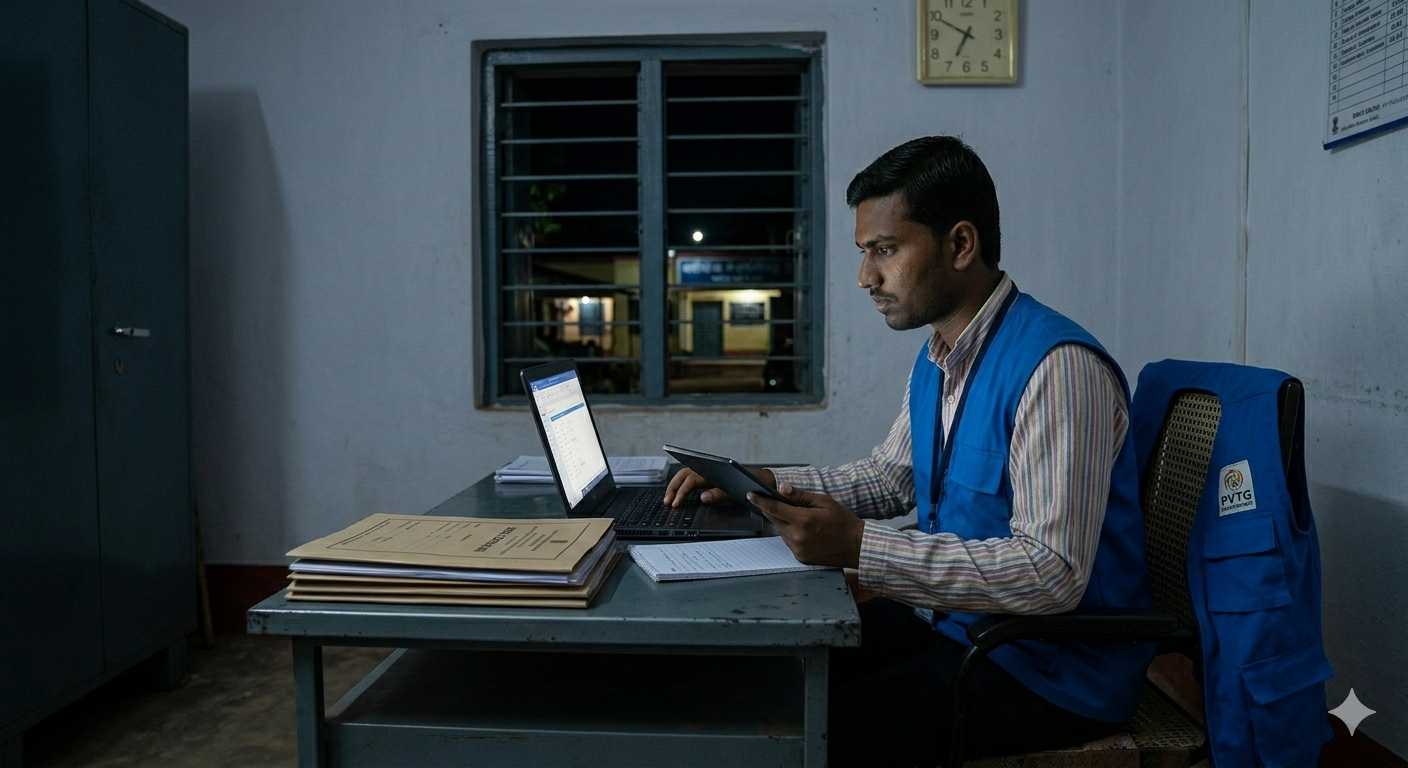
A trained tribal youth who works as a grassroots-level facilitator of development within Particularly Vulnerable Tribal Groups. Unlike external officials, an Aadi-Doot belongs to the same community — acting as a trusted bridge between governance and tribal society.
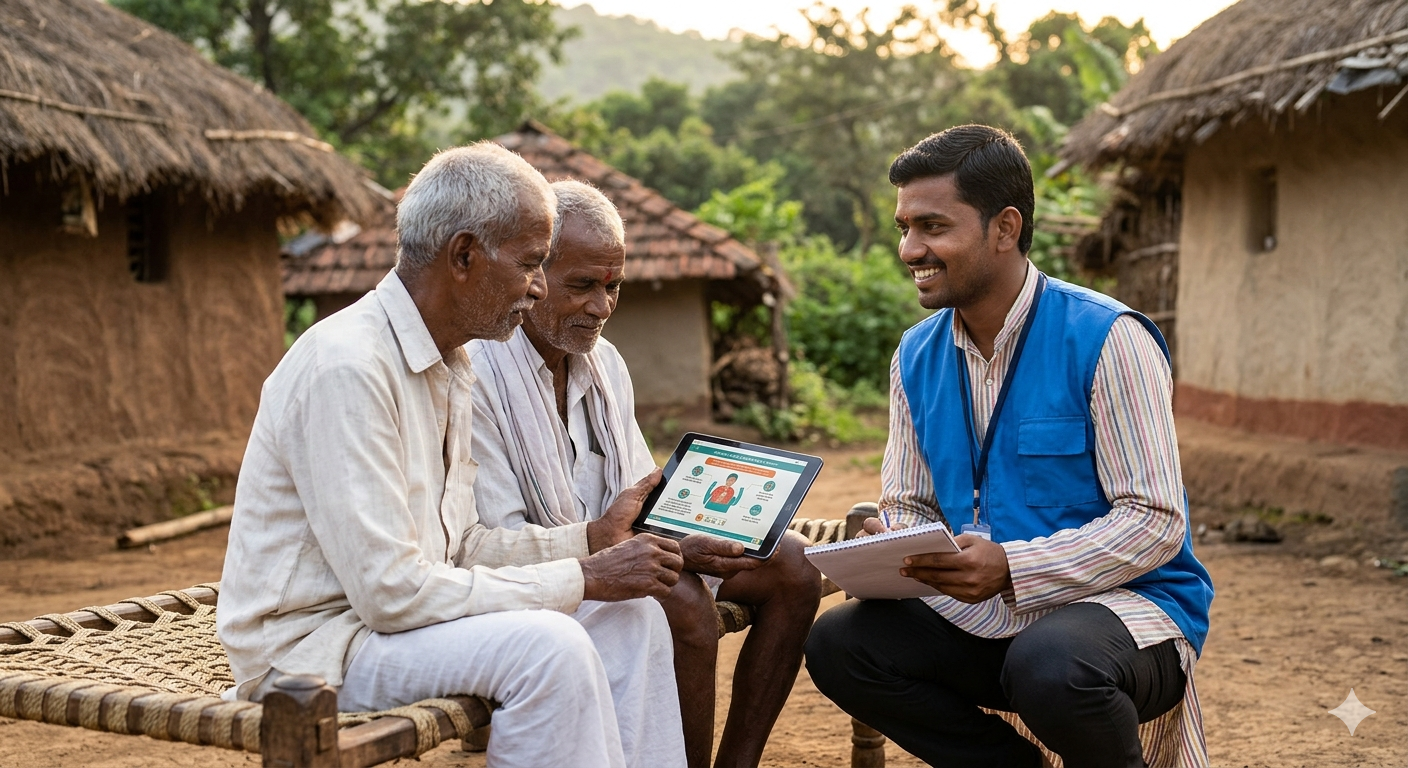
The idea behind appointing Aadi-Doots is to solve a very practical problem: even when schemes exist, they often fail to reach remote tribal populations due to lack of awareness, documentation barriers, and geographical isolation.
By training local youth and placing them directly in villages, the initiative ensures that support is available continuously and locally, rather than occasionally and externally.
This creates a sustainable model where development is not dependent on outside intervention but is driven from within the community.
- 📘Minimum Education: 10th StandardEnsures ability to handle documentation, reporting, and communication tasks effectively.
- 🏡Tribal Community MembershipMust belong to Madia, Kolam, or Katkari — ensuring social roots and cultural understanding.
- 📅Age: 18 to 35 YearsEnsures candidates are both socially rooted and physically capable of demanding fieldwork.
- 💼1+ Year Field ExperiencePrior experience in tribal or development-related work — genuinely familiar with grassroots challenges.
- 🌍Communities: Madia · Kolam · KatkariSelected from the three PVTG communities served across Maharashtra.
What an Aadi-Doot Does
Highly field-oriented work involving continuous interaction with multiple villages and communities.
Field Engagement
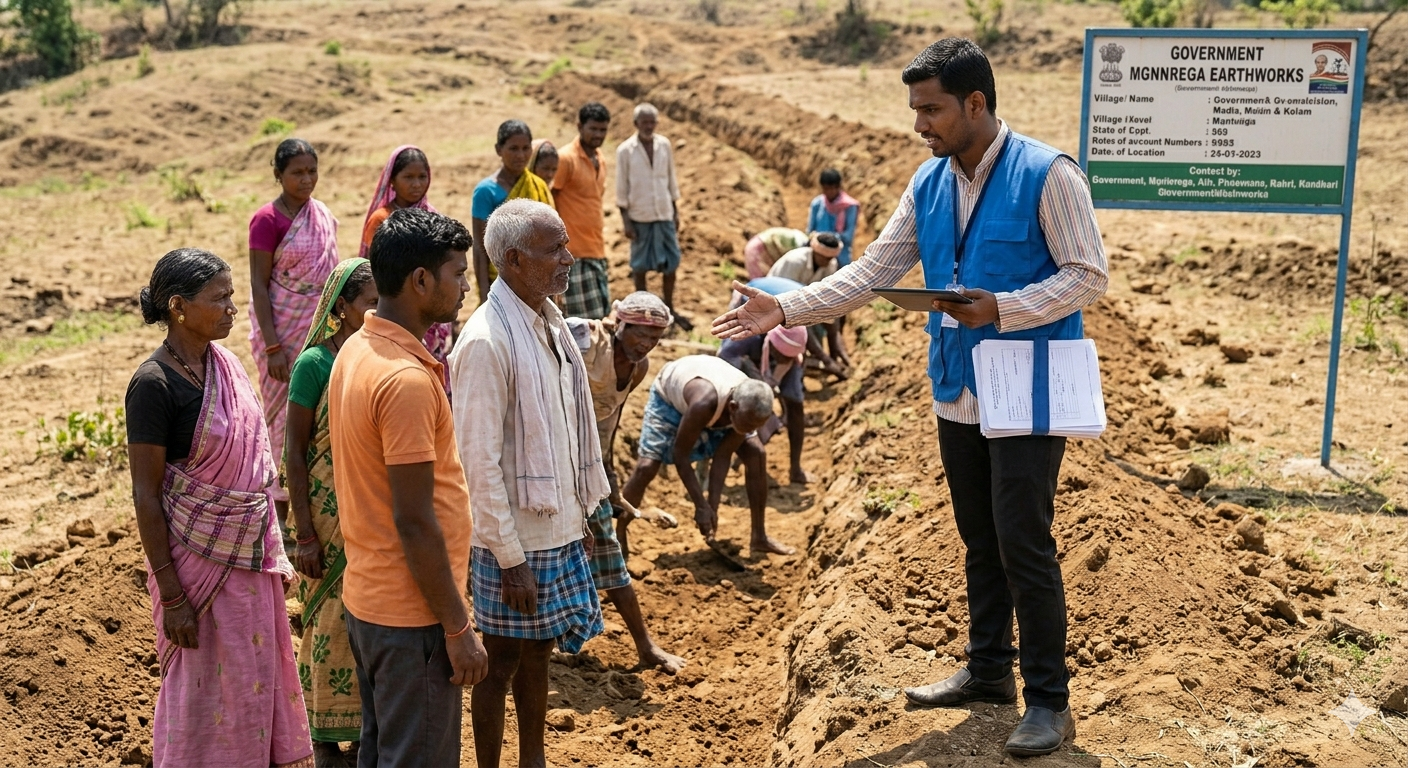
Regularly visits assigned cluster of villages. Acts as the first point of contact for villagers on all issues related to schemes and services.
Documentation Support
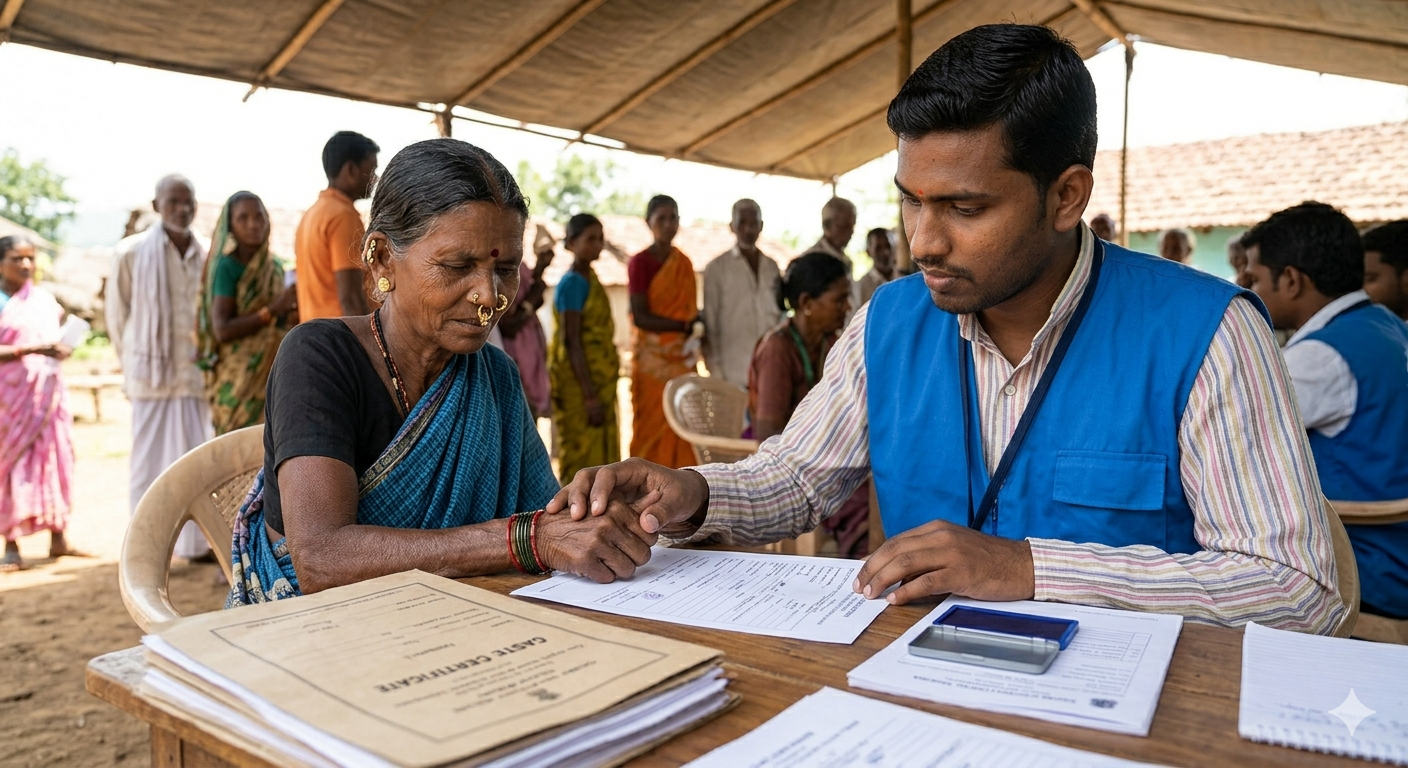
Assists villagers with caste certificates and identity documents — collecting papers, coordinating with authorities, and ensuring zero delays.
Awareness & Schemes
Conducts village meetings in local language, explains schemes, identifies eligible beneficiaries, and documents implementation challenges.
Employment Access
Connects communities to MGNREGA, assists with job card registration, and helps explore sustainable livelihood options.
Data Collection
Collects village-level data on health, education, and livelihoods. Digitizes and submits reports for evidence-based governance.
Accountability
Regular review and monitoring ensures active, responsible, and impact-oriented performance rather than symbolic engagement.
Community Bridge
Trusted insider who bridges government systems and tribal society, ensuring development is accessible and culturally relevant.
Livelihood Guidance
Observes local livelihood patterns and conducts guidance sessions on sustainable income — farming, forest produce, and small enterprises.
What Changes Because of Aadi-Doots
Over time, Aadi-Doots contribute to transformative, community-driven change across multiple dimensions.
Scheme Access
Increased access to government schemes — more families receive the benefits they are entitled to, bridging the implementation gap.
Identity Recognition
Improved documentation and official identity recognition — ensuring families can access welfare programs without barriers.
Community Awareness
Better awareness among communities about rights, entitlements, and opportunities available to them through various programs.
Enhanced Livelihoods
Greater livelihood opportunities that respect and build upon traditional knowledge and sustainable community practices.
Governance Connection
Stronger link between communities and governance systems — real-time data and feedback improve policy effectiveness.
Active Participation
Communities transition from passive beneficiaries to active participants in shaping their own development journey.
"An Aadi-Doot is not just a field worker — they represent a powerful idea: When people from within the community lead development, the change becomes deeper, more trusted, and long-lasting."
Tribal DevelopmentInspector (TDI)
A key field-level officer under the Tribal Development Department (Adivasi Vikas Vibhag), sitting at the intersection of governance and ground reality. The TDI ensures tribal welfare schemes are not just policies on paper — but effective realities at the grassroots level.
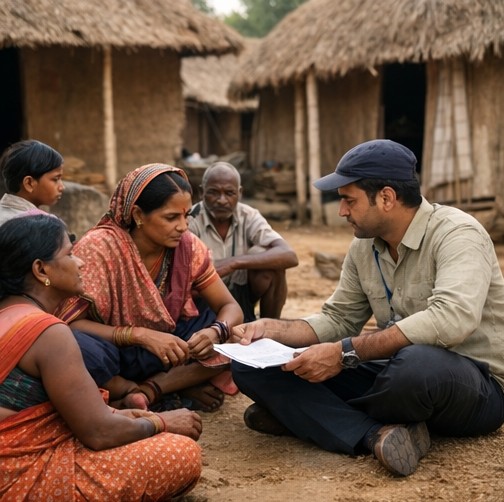
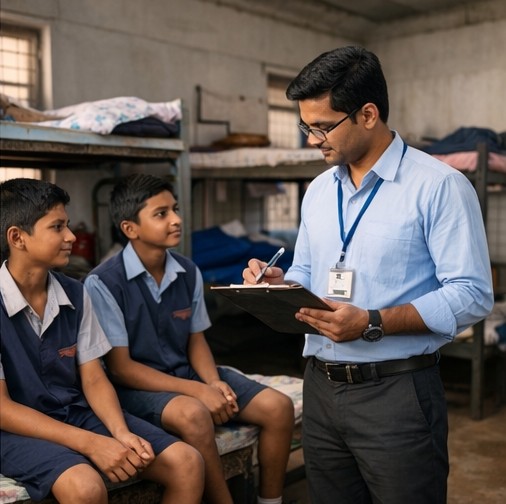
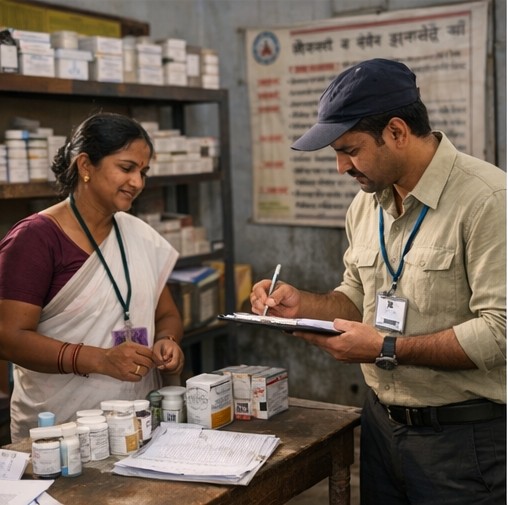
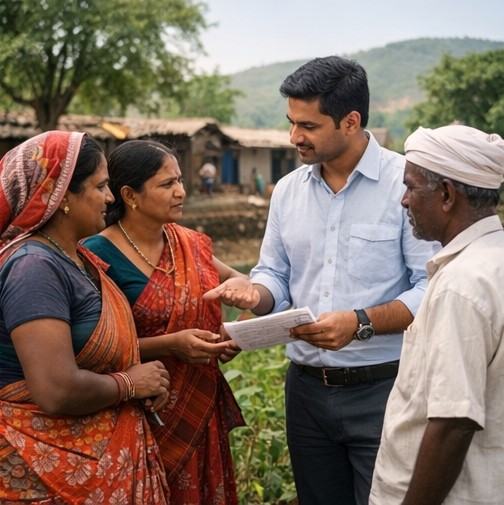
Both Administrative & Social
A TDI does not merely check whether a scheme exists on paper — they verify whether it is functioning in reality, whether beneficiaries are receiving support, and whether services are being delivered with quality.
Administrative Side
Responsible for maintaining discipline, compliance, and transparency. Empowered to inspect records, verify expenditures, and report irregularities to higher authorities in the department.
Social Side
Expected to understand real challenges faced by tribal communities, ensure government initiatives are meaningful and accessible, and interact directly with villagers to bridge policy and people.
Highly Dynamic
Requires constant movement between villages, institutions, and administrative offices. The position is never purely office-based — it demands active, ongoing field presence across wide geographic areas.
Eyes & Ears of Administration
Provides real-time insights into the effectiveness of government programs, ensuring the administration has accurate ground-level data to make informed decisions and timely adjustments.
Field Inspection
Regularly visits tribal villages, Ashram schools, hostels, and healthcare centers. Observes multiple layers of implementation — attendance records, fund utilization, facility conditions, and beneficiary welfare — not just surface-level checks.
Monitoring & Evaluation
Continuously monitors government schemes across education, health, employment, housing, and social security. Compares planned outcomes with actual results and identifies delays, inefficiencies, or deviations from policy guidelines.
Financial Oversight
Ensures public funds are used appropriately by checking budget allocations against actual expenditure, verifying supporting documents like bills and vouchers, and reviewing beneficiary records. Acts as a safeguard against corruption and negligence.
Reporting & Communication
Prepares detailed field reports submitted to higher authorities. Reports include inspection observations, identified issues, improvement suggestions, and scheme status updates — directly influencing policy decisions at the departmental level.
Problem Identification & Action
Proactively identifies problems ranging from lack of awareness and poor infrastructure to administrative lapses. Documents the issue, reports to appropriate authority, recommends solutions, and follows up to ensure resolution is carried through.
Community Interaction
Directly communicates with tribal villagers to understand their needs, challenges, and feedback on government programs. Guides people about available schemes, clarifies eligibility criteria, and encourages participation in development initiatives.
What Makes an Effective TDI
- 🔎 Observant & AnalyticalIdentifies discrepancies in scheme implementation and financial records with precision and detail orientation.
- 🗣️ Strong CommunicationEffectively interacts with tribal communities who may speak local dialects and have limited exposure to formal administrative systems.
- ❤️ Empathy & PatienceGenuine understanding of social issues and a compassionate approach when working closely with vulnerable tribal populations.
- 📐 Detail-OrientedMeticulous verification of records, cross-checking physical conditions against documented claims, and tracking financial accountability.
- ⚡ Proactive Problem-SolvingDoes not wait for issues to escalate — identifies problems early, documents them thoroughly, and initiates corrective action promptly.
A Demanding Yet Impactful Role
- 🗺️ Remote Field TravelFrequent travel to difficult-to-access tribal regions where road infrastructure may be limited and connectivity challenging.
- ⚖️ Balancing Dual ResponsibilitiesMust simultaneously manage extensive fieldwork and administrative duties — often handling multiple schemes and large geographic areas.
- 📦 Limited InfrastructureWorking conditions in tribal areas can be challenging — limited connectivity, basic facilities, and significant logistical constraints are common.
- 🔗 Multi-Level CoordinationWorks under Project Officers and District Tribal Development Officers while simultaneously coordinating with village-level stakeholders.
- 🌟 High Impact Despite ChallengesDespite the demanding environment, the role is highly impactful — directly contributing to improving the lives of tribal communities across Maharashtra.
"The TDI ensures tribal development is not just a policy on paper but a living reality on the ground — acting as the eyes and ears of the administration, providing real-time insights into the effectiveness of government programs."